
WORLD CANCER DAY 2027
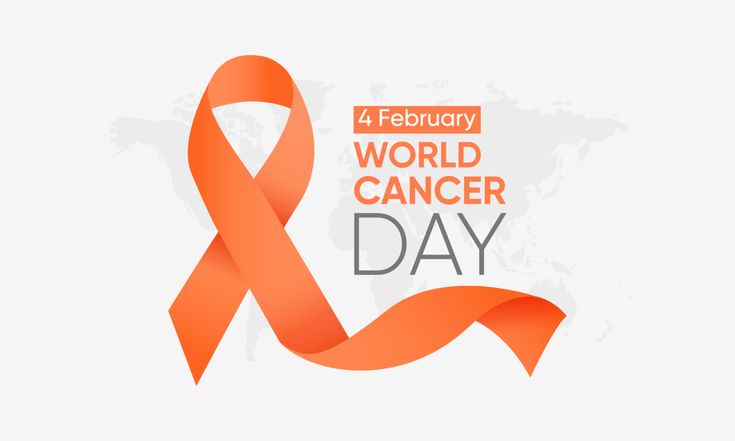
World Cancer Day 2027
United by Unique
4 February 2027
World Cancer Day 2027 is observed under the theme “United by Unique,” a powerful reminder that while cancer affects millions of people around the world, every person’s experience with cancer is different.
Cancer is more than a diagnosis. Behind every diagnosis is a person with a unique story, identity, family, hopes, challenges, and needs. The “United by Unique” theme places people at the centre of cancer care and brings their individual experiences and stories to the heart of the conversation.
Putting People at the Centre of Care
Effective cancer care goes beyond medical treatment. It means recognising the individual behind the illness and ensuring that people living with cancer, survivors, caregivers, families, and communities are heard, respected, and supported.
People may experience the same type of cancer in very different ways. Their access to screening and treatment, emotional wellbeing, financial circumstances, family support, cultural background, and personal choices can all shape their cancer journey.
World Cancer Day 2027 calls on us to recognise these differences while strengthening the sense of connection and solidarity that brings us together.
Every Cancer Journey Is Unique
There is no single cancer experience.
For some, the journey begins with prevention and early detection. For others, it involves diagnosis, treatment, recovery, living with cancer, survivorship, or end-of-life care. Families and caregivers also experience the impact of cancer in profound ways.
Listening to these experiences matters. Personal stories can help challenge stigma, increase understanding, encourage early action, and remind us that compassionate care must address the whole person, not just the disease.
United Through Compassion and Action
Being “United by Unique” means embracing the differences in our experiences while working together towards a future where everyone has access to quality cancer prevention, early detection, treatment, support, and care.
It calls on governments, healthcare professionals, civil society organisations, communities, families, and individuals to contribute to a more people-centred approach to cancer care.
At SHEAD Centre, we recognise the importance of awareness, education, prevention, early detection, access to care, and community support in reducing the burden of cancer. We believe that meaningful progress begins when people and their lived experiences are placed at the centre of the response.
A Call to Action
This World Cancer Day, let us listen to people affected by cancer, learn from their experiences, challenge stigma, promote early detection, support those undergoing treatment, and advocate for equitable access to quality cancer care.
Let us remember that behind every statistic is a person, and behind every diagnosis is a story.
Different stories. Different journeys. One shared commitment to a world where everyone affected by cancer is seen, heard, supported, and cared for.
Join the Conversation
On 4 February 2027, SHEAD Centre joins communities around the world in observing World Cancer Day and amplifying the message of “United by Unique.”
Together, we can help put people at the centre of cancer care and ensure that their stories remain at the heart of the conversation.
World Cancer Day 2027
Theme: United by Unique
Date: 4 February 2027