
WORLD TOILET DAY 2027
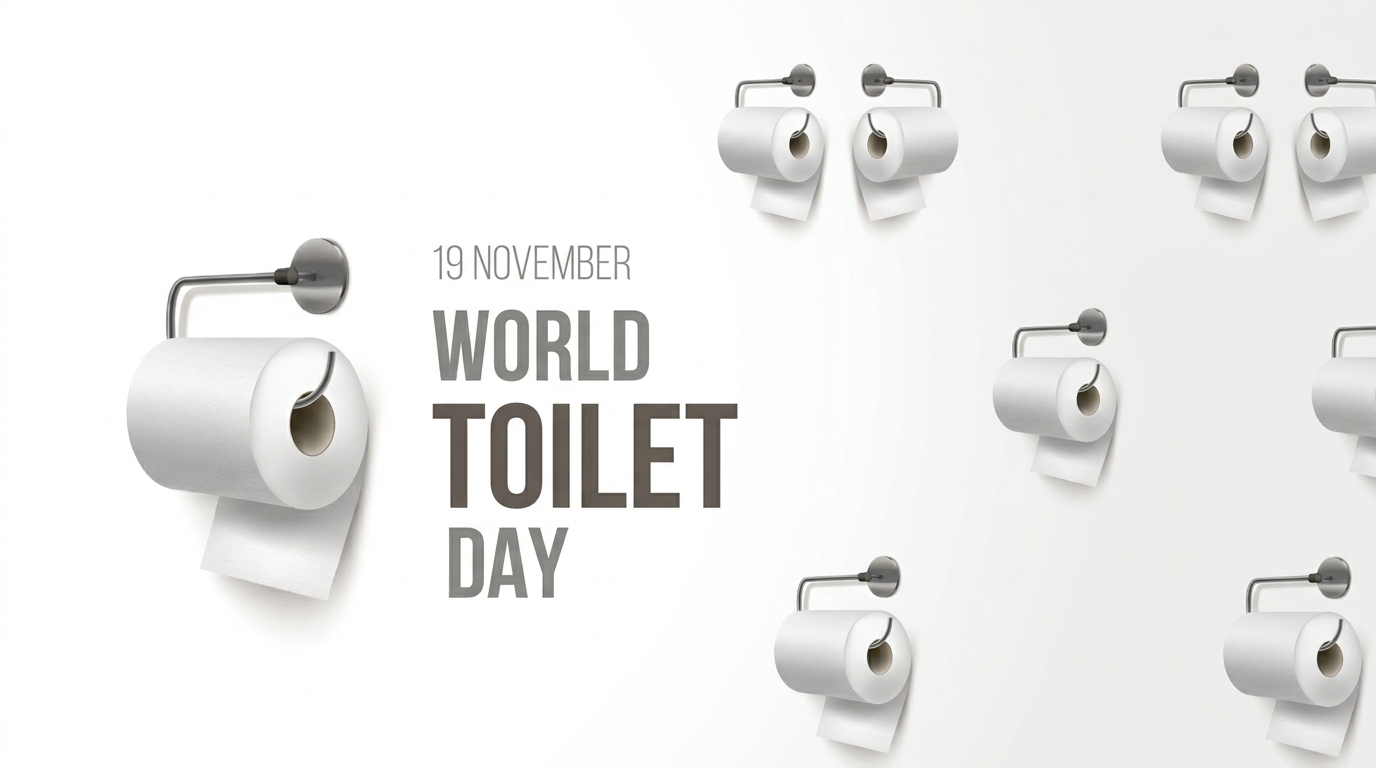
WORLD TOILET DAY 2027
Safe Toilets. Healthy Communities. A Dignified Life.
Every person deserves access to a safe, clean and functional toilet. Yet, for millions of people around the world, access to adequate sanitation remains a daily challenge. When people do not have safe toilets and proper sanitation facilities, the consequences can affect almost every part of life, from health and education to dignity, safety and economic opportunities.
World Toilet Day, observed every year on 19 November, is an opportunity to recognize sanitation as an essential part of human health and dignity and to remind governments, communities, institutions and individuals that everyone deserves access to safe sanitation.
Why Toilets Matter
A toilet is much more than a facility. It is an important line of defence against disease and a basic requirement for a healthy community.
When human waste is not safely contained and managed, harmful germs can contaminate water, food, soil and the environment. This can contribute to the spread of diseases and place children, older people and other vulnerable members of society at greater risk.
Safe sanitation, combined with clean water and good hygiene practices, can help prevent the spread of disease and create healthier living environments.
Sanitation Is About Dignity
Imagine having to search for a place to defecate because there is no toilet nearby. Imagine being afraid to use a toilet because it is unsafe, poorly maintained or located in an isolated area.
For many people, these are not hypothetical situations. Lack of adequate sanitation can expose individuals to embarrassment, harassment, violence and other risks.
Everyone deserves a toilet that is safe, accessible, private and clean.
Sanitation should never be considered a luxury reserved for a few. It is fundamental to human dignity.
Children and Sanitation
Children are particularly affected when sanitation facilities are inadequate. Unsafe toilets and poor sanitation in schools can discourage attendance, affect concentration and create an unhealthy learning environment. Girls may face additional challenges when schools do not provide adequate, private and safe sanitation facilities, particularly during menstruation.
Providing appropriate sanitation facilities in schools is therefore not simply about infrastructure. It is an investment in education, health, dignity and the future of children.
Women and Girls Deserve Safe Sanitation
Access to safe and private sanitation is especially important for women and girls. Women and girls should not have to compromise their safety or dignity because they lack access to appropriate toilets.
Sanitation facilities should take into consideration privacy, accessibility, safety and the specific needs of women, girls and people living with disabilities. Creating inclusive sanitation systems means ensuring that no one is left behind.
Toilets Alone Are Not Enough
A functional toilet is only one part of the sanitation chain.
We must also consider:
- Safe toilets and latrines
- Clean and safe water
- Proper handwashing facilities
- Safe waste disposal
- Responsible management of human waste
- Clean and healthy communities
- Adequate sanitation in schools and institutions
Proper sanitation requires systems that safely manage human waste from the point where it is generated to its treatment and final disposal or reuse.
What Can We Do?
Improving sanitation requires collective action.
Individuals and families can:
- Keep toilets clean and properly maintained.
- Practice good hand hygiene, especially after using the toilet and before handling food.
- Dispose of waste responsibly.
- Teach children good sanitation and hygiene habits.
- Avoid practices that contaminate water sources.
Schools and institutions can:
- Provide clean, functional and accessible toilets.
- Ensure adequate handwashing facilities.
- Maintain sanitation facilities regularly.
- Create safe and private facilities for girls and boys.
- Promote hygiene education among students and staff.
Communities can:
- Work together to improve sanitation infrastructure.
- Discourage open defecation.
- Protect water sources from contamination.
- Promote proper waste management.
- Speak up for better sanitation services.
Governments and relevant institutions can:
- Invest in sustainable sanitation infrastructure.
- Improve sanitation services in underserved communities.
- Strengthen public health and environmental sanitation systems.
- Ensure sanitation facilities are inclusive and accessible.
- Develop policies that make safe sanitation available to everyone.
A Healthier Future Starts With Sanitation
We cannot build healthy communities while ignoring sanitation.
We cannot talk about disease prevention without talking about toilets.
We cannot talk about dignity without talking about access to safe sanitation.
And we cannot talk about sustainable communities while human waste continues to contaminate our environment.
This World Toilet Day 2027, SHEAD Centre calls on individuals, communities, institutions and decision-makers to recognize sanitation as a shared responsibility and a fundamental part of public health.
Let us work towards communities where every home, school, healthcare facility and public space has access to safe and dignified sanitation.
Because a toilet is not just a toilet.
It is protection.
It is dignity.
It is health.
It is safety.
It is a healthier future.
This World Toilet Day, let us take action.
Use toilets safely.
Keep them clean.
Promote good hygiene.
Protect our water and environment.
Support access to sanitation for everyone.
Safe toilets. Healthy people. Dignified communities.