
WORLD DAY FOR THE PREVENTION OF AND HEALING FROM CHILD SEXUAL EXPLOITATION, ABUSE AND EXPLOITATION
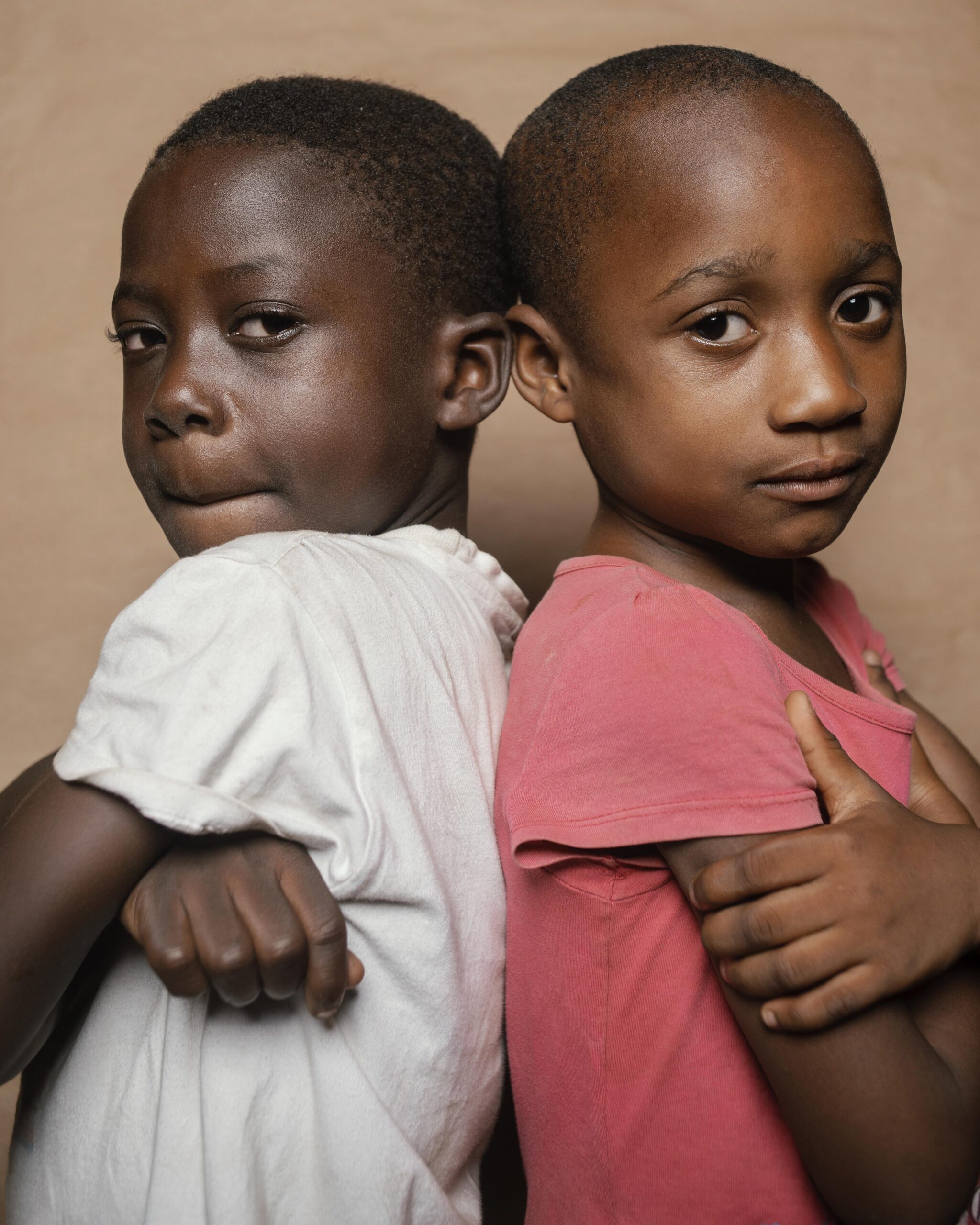
WORLD DAY FOR THE PREVENTION AND HEALING FROM CHILD SEXUAL EXPLOITATION, ABUSE AND VIOLENCE 2027
Protect Childhood. Prevent Abuse. Support Healing.
Every child deserves a childhood filled with safety, dignity, love, education, play and opportunities to grow. No child should ever experience sexual exploitation, sexual abuse or violence, and no child should be forced to carry the consequences of such experiences alone.
The World Day for the Prevention and Healing from Child Sexual Exploitation, Abuse and Violence reminds us that protecting children is a shared responsibility. It is a call to prevent abuse before it happens, strengthen systems that keep children safe, respond appropriately when abuse occurs, and ensure that survivors receive the care, protection and support they need to heal.
Understanding Child Sexual Exploitation, Abuse and Violence
Child sexual exploitation and abuse can take many forms. It may involve inappropriate sexual contact, coercion, grooming, exploitation, exposure to sexual content, trafficking, or the use of a child for sexual purposes.
Violence against children can also be physical, emotional, psychological or sexual. It can happen in homes, schools, communities, religious or social settings, institutions and increasingly through digital platforms.
Sometimes the person responsible is a stranger. In many cases, however, abuse is committed by someone the child knows or trusts.
This is why child protection cannot depend only on teaching children to “avoid strangers.” We must build environments where adults understand safeguarding, recognize warning signs, take children’s concerns seriously and act when something is wrong.
Prevention Starts With Awareness
Preventing child sexual exploitation, abuse and violence requires more than reacting after harm has occurred.
Parents and caregivers should create an environment where children feel safe enough to talk about uncomfortable experiences without fear of punishment or blame.
Schools and institutions should have clear safeguarding policies, reporting procedures and trained personnel who know how to respond to concerns.
Communities must challenge harmful attitudes that normalize violence, silence children or place responsibility on victims.
Children should also be taught, in age-appropriate ways, about personal boundaries, consent, safe and unsafe situations, trusted adults, and how to seek help when they feel threatened or uncomfortable.
Believe. Listen. Protect.
When a child discloses abuse, the response they receive can have a lasting impact.
Children should be listened to calmly and taken seriously. They should never be blamed, shamed, threatened or made to feel responsible for what happened to them.
Instead, they need protection, reassurance and access to appropriate medical, psychosocial, legal and other support services.
A child who speaks about abuse is not causing trouble. They are asking for help.
Healing Is Possible
The effects of abuse can extend far beyond the moment it occurs. Survivors may experience fear, anxiety, shame, isolation, difficulties trusting others, emotional distress and other long-term consequences.
Healing does not happen in the same way or at the same pace for everyone.
Survivors need safe environments, compassionate support and access to appropriate professional services. Most importantly, they need to know that what happened to them was not their fault.
Supporting survivors means respecting their dignity, protecting their privacy, listening without judgment and ensuring that they are not further harmed by the systems intended to help them.
We All Have a Role to Play
Parents and caregivers:
Create open communication with children and pay attention to changes in behaviour, mood or relationships. Make it clear that children can come to you when something makes them uncomfortable or afraid.
Teachers and schools:
Create safe learning environments, establish safeguarding mechanisms and take concerns about children’s safety seriously.
Community leaders and organizations:
Promote child protection, challenge harmful practices and ensure that children have safe spaces to learn, grow and speak.
Governments and institutions:
Strengthen child protection systems, enforce laws, provide survivor-centred services and ensure that perpetrators are held accountable.
Everyone:
Do not ignore signs of abuse. Do not dismiss a child’s concerns. Do not protect perpetrators at the expense of children. If you suspect that a child is at risk, seek appropriate help through trusted child protection, safeguarding, health or law-enforcement channels available in your community.
This World Day, Let Us Make a Commitment
Let us commit to creating homes where children feel safe.
Let us build schools where children are protected.
Let us create communities where abuse is not ignored or covered up.
Let us strengthen systems that prevent exploitation and respond effectively to violence.
Let us listen to children and believe survivors.
Let us ensure that children who experience abuse have access to the support they need to heal.
Most importantly, let us move from awareness to action.
Child protection is not a one-day campaign. It is a responsibility we must uphold every day.
On this World Day for the Prevention and Healing from Child Sexual Exploitation, Abuse and Violence 2027, SHEAD Centre stands with children, survivors, families, communities and all those working to prevent abuse and create safer environments for every child.
Protect childhood. Prevent abuse. Support survivors. Promote healing.
Every child deserves to be safe.
Every child deserves to be heard.
Every survivor deserves to be believed.
Every community has a responsibility to protect children.