
WORLD AIDS DAY 2027
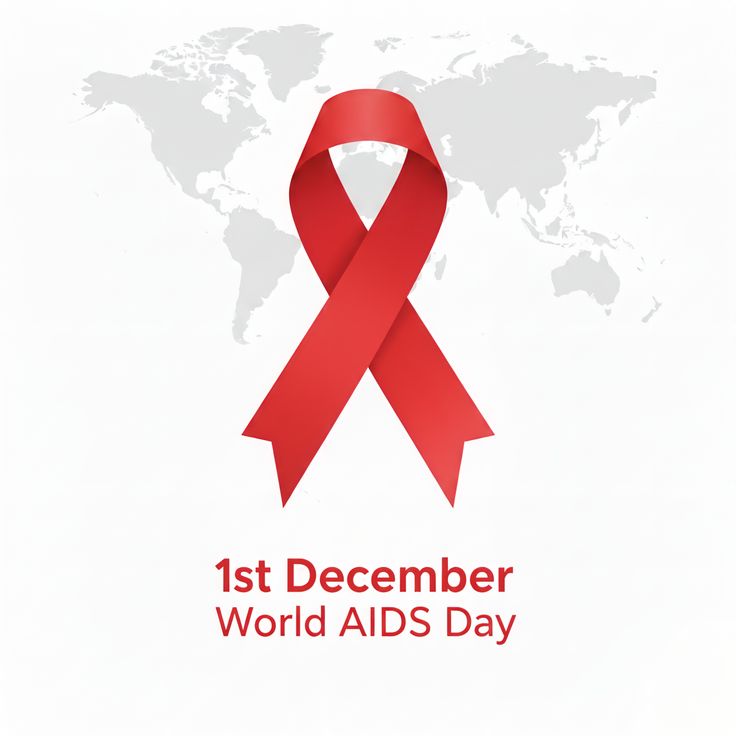
WORLD AIDS DAY 2027
Every year on 1 December, the world comes together to observe World AIDS Day, a day dedicated to raising awareness about HIV and AIDS, remembering those who have lost their lives to AIDS-related illnesses, supporting people living with HIV, and renewing our commitment to ending the HIV epidemic.
World AIDS Day is more than a day of awareness. It is a reminder that HIV remains a public health issue that requires knowledge, prevention, testing, treatment, compassion and collective action. It is also an opportunity to challenge the stigma and discrimination that continue to prevent many people from accessing HIV services and living openly and confidently with their status.
UNDERSTANDING HIV AND AIDS
HIV, or Human Immunodeficiency Virus, attacks the body’s immune system. Without effective treatment, HIV can weaken the immune system and progress to AIDS, the most advanced stage of HIV infection. However, HIV is no longer the death sentence it was once widely perceived to be. With effective antiretroviral treatment and appropriate medical care, people living with HIV can live long, healthy and productive lives. This progress is one of the reasons why early testing, early diagnosis and consistent treatment matter.
KNOW YOUR HIV STATUS
One of the most important steps you can take is to know your HIV status. You cannot determine someone’s HIV status by looking at them. A person may have HIV and feel completely healthy, especially in the early stages. Regular HIV testing helps people make informed decisions about their health and, when necessary, access treatment and support as early as possible.
Knowing your status is not something to fear. It is a step towards taking control of your health.
If you have concerns about possible exposure to HIV, speak with a qualified healthcare professional or visit an appropriate HIV testing service for confidential guidance.
HOW IS HIV TRANSMITTED?
HIV can be transmitted through certain body fluids when they come into contact with another person’s bloodstream or mucous membranes.
Common routes of transmission include:
- Unprotected sexual contact with a person who has HIV and is not virally suppressed.
- Sharing needles, syringes or other equipment used to inject drugs.
- Transmission from a mother to her baby during pregnancy, childbirth or breastfeeding without appropriate prevention and treatment.
- Exposure to infected blood, including through unsafe medical or other procedures.
HIV is not spread through ordinary social contact.
You cannot acquire HIV through:
❌ Hugging or shaking hands
❌ Sharing food or eating utensils
❌ Sitting next to someone
❌ Using the same toilet
❌ Casual conversation
❌ Coughing or sneezing
❌ Mosquito or other insect bites
❌ Living or working with a person who has HIV
Understanding how HIV is and is not transmitted helps reduce fear, misinformation and discrimination.
PREVENTION IS POSSIBLE
HIV prevention involves making informed choices and having access to appropriate health services.
Depending on individual circumstances, prevention strategies may include:
- Using condoms correctly and consistently
- Regular HIV testing
- PrEP for people who may be at substantial risk of HIV
- PEP after a possible recent exposure, when medically appropriate
- Using sterile equipment and avoiding the sharing of needles or syringes
- Access to appropriate HIV services during pregnancy and breastfeeding
- Having accurate information about HIV and sexual health
Prevention works best when people have access to reliable information and services without fear of judgment.
HIV TREATMENT SAVES LIVES
There is currently no cure for HIV, but effective treatment can control the virus.
Antiretroviral therapy helps reduce the amount of HIV in the body, allowing the immune system to remain stronger and helping people living with HIV stay healthy. When a person living with HIV takes treatment consistently and achieves and maintains an undetectable viral load, HIV is not sexually transmitted to their sexual partners.
This is commonly expressed as:
U = U
Undetectable = Untransmittable
This powerful message demonstrates how HIV treatment is not only essential for the health of people living with HIV, but also plays an important role in HIV prevention.
STIGMA CAN BE AS DAMAGING AS THE VIRUS
HIV does not make anyone less human. A person’s HIV status does not determine their character, worth, intelligence, morality or ability to contribute to society. Yet stigma and discrimination continue to affect people living with HIV. Fear of rejection, judgment or discrimination can discourage people from getting tested, starting treatment or talking openly about their health. We must change this. Instead of asking:
“How did they get HIV?”
Ask:
“How can I support them?”
Instead of spreading rumours, share accurate information.
Instead of judging someone, show compassion.
Instead of creating fear, create understanding.
PEOPLE LIVING WITH HIV DESERVE DIGNITY
People living with HIV deserve the same respect, opportunities, healthcare and human rights as everyone else. They deserve to work, study, build families, participate in their communities and pursue their dreams without discrimination. Their HIV status should not be used to shame, isolate or exclude them.
HIV is a health condition, not a reason to discriminate.
PREVENTING MOTHER-TO-CHILD TRANSMISSION
With appropriate healthcare, HIV transmission from a mother to her baby can be greatly reduced. Pregnant women should have access to HIV testing and appropriate antenatal care. Women who test positive for HIV should receive the necessary treatment, counselling and follow-up care recommended by qualified healthcare professionals. Early access to care can protect both the mother and child.
YOUNG PEOPLE NEED ACCURATE INFORMATION
Young people need reliable, age-appropriate information about HIV, sexual health, prevention, testing, treatment and healthy relationships. Misinformation can create fear and increase risky behaviour. Providing young people with accurate knowledge empowers them to make informed decisions about their health and wellbeing. Parents, caregivers, educators, healthcare workers and communities all have a role to play in creating safe spaces where young people can ask questions without being shamed.
ENDING HIV REQUIRES COMMUNITY ACTION
No single organization can end HIV alone.
We need:
- Accessible healthcare services
- Affordable and confidential testing
- Consistent access to treatment
- Accurate health education
- Community support
- Strong prevention programmes
- Compassion for people living with HIV
- Protection against stigma and discrimination
Communities are essential to reaching people who may otherwise be left behind.
THIS WORLD AIDS DAY, LET US TAKE ACTION
Know your status.
Learn the facts.
Protect yourself and others.
Encourage testing.
Support people living with HIV.
Reject stigma and discrimination.
Encourage people on treatment to remain in care.
Share accurate information, not fear.
And most importantly, remember that the fight against HIV is not only about statistics and medical interventions.
It is about people.
People whose lives, families, dreams and futures matter.
OUR MESSAGE
On this World AIDS Day 2027, SHEAD Centre joins communities, healthcare workers, organizations, governments and advocates around the world in renewing the commitment to ending HIV-related stigma, expanding access to prevention and treatment, and ensuring that everyone has the knowledge and support needed to protect their health.
Let us build communities where people are not afraid to test.
Where treatment is accessible.
Where prevention information is available.
Where people living with HIV are treated with dignity.
Where misinformation is replaced with facts.
Where stigma is replaced with compassion.
And where no one is left behind.
KNOW. PREVENT. TEST. TREAT. SUPPORT.
HIV does not define a person.
Stigma should not stop anyone from seeking care.
Knowledge saves lives. Treatment works. Support matters.
This World AIDS Day, let us choose facts over fear, compassion over stigma and action over silence.